By John Stewart, Conductor of Living School
In this term’s Life and Living focus – we explore Life through key questions, and I love that our programs each year evolve a KeyStone theme’s questions into deeper broader and richer understanding. There is an evolution of learning – a development through phases of childhood. Our school is engineered – designed intentionally – around these cycles. As we mature, the benefits are noticeable. Having a distinct K-4 Primary school allows for a mythical openness to young minds learning together – I walked past two little girls doing gymnastics preparing for their Assembly presentation. The Middle School is Years 5-8, which is very unique for Australia – but the benefits are a separation of Year 8 from a ‘high school’ so they can be leaders and stay connected with the developing Year 5, Year 6 mindsets. And the Academy – with an intentional program on expeditions and external learning leading to more rigorous academic study, with pathways for success just makes sense. I would say we are a common sense school.
At Living School, we are a progressive school not just in name but in practice. Our approach to education places emphasis on integrated, purposeful, and personal learning. We aim to cultivate “wholebeing” by guiding students through the physical, expressive, emotional, intellectual, and social domains of development. We believe that learning happens most deeply when it is:
Staff at Living School care to go above and beyond – to sow ideas, to fertilise new thoughts, to tether plants to positive and productive values and attitudes so they grow true, to weed out divisiveness and to fertilise the knowledge, skills and processes.
Our learners have to commit – and be challenged. Leaning into uncomfortable situations to experience emotions and tough moments, supported by caring people, allows a learner to develop the strategies and find the strength to push through as well as knowing there is the support to console and mentor. This is education.

Parents need to trust – not easy – especially when the tough times dampen enthusiasm and make us question the relevance.
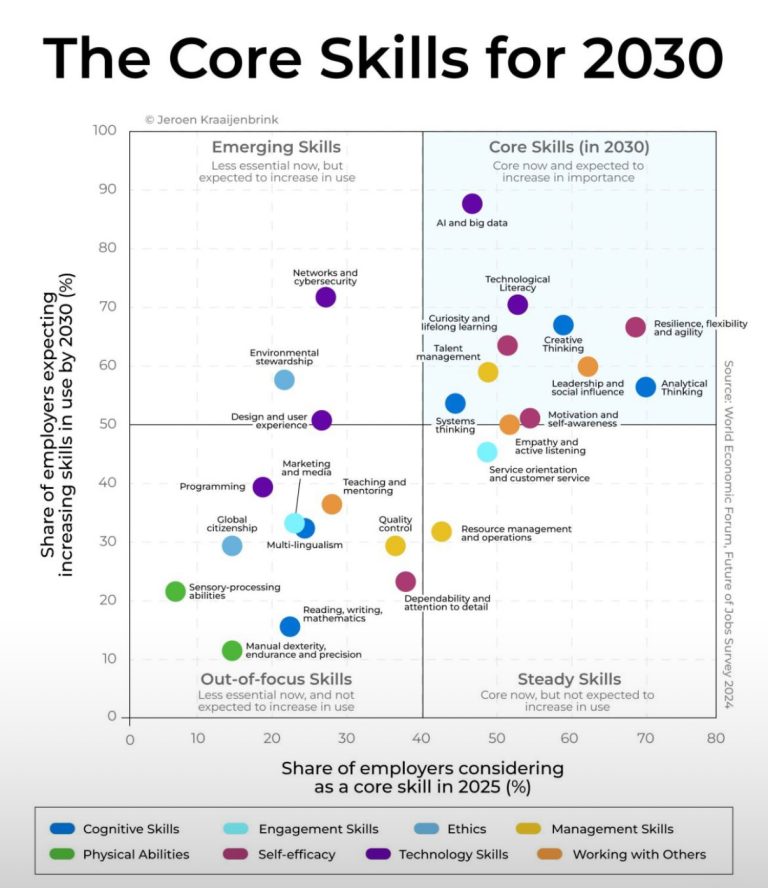
To plant a garden is to believe in tomorrow. A garden can be just a beautiful place to sit and think – to find comfort and peace. Being in Nature is vital. And there is a difference between a crop and a garden. A garden offers diversity – a crop is a mono-culture with a result-driven purpose – often economic. But if we are gardening for a future harvest, to feed our souls, does the Living School program ‘stack-up’? Or should we revert to a ‘main-stream’ knowledge-based, competitive, content-focused curriculum with cellular, classroom subject-teaching? Trust in our approach as we know we ARE preparing our students for a VERY different future. Just take a moment to review the following future-focused ‘employee’ stance on what will be needed for 2030. And, while you’re contemplating, consider also that our Kindergarten students will be leaving school in 2037!!
To trust our educational offering fully, wholly, is like planting a seed in a carefully tended garden bed – this relies on the goodwill and commitment of a whole community. It is with the understanding that there are seasons of growth – and conditions of change. It is to have faith because a collective with the best intentions will always overcome the winds of change. And it is really important we don’t fall into mental traps of what is deemed a ‘quality’ school based on league tables and friends’ conversations.
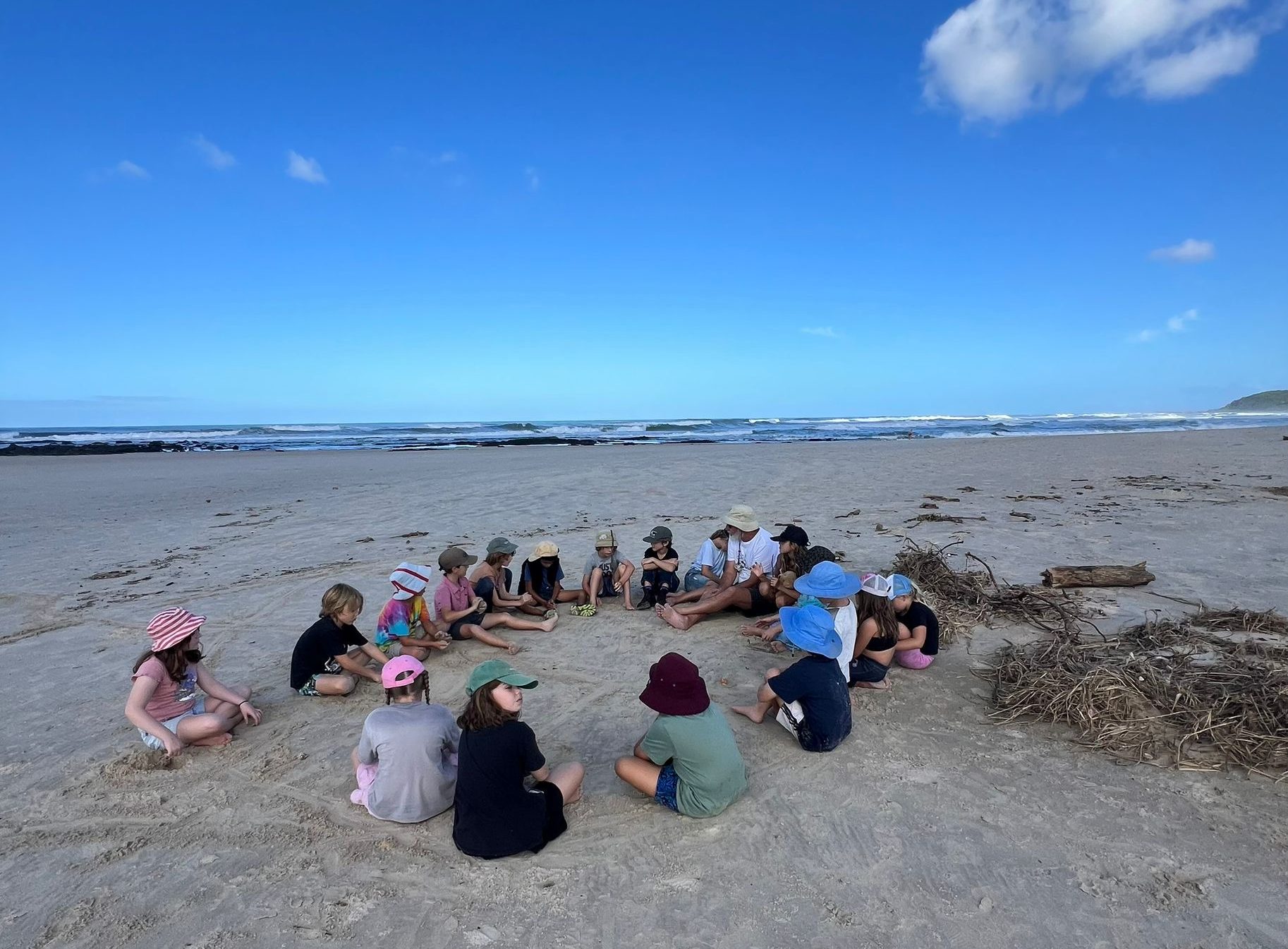
Nature is not just a setting; it is a co-teacher. Our programs intentionally place students in natural environments where they are asked to observe, reflect, act, and adapt. The unpredictability of the natural world mirrors the unpredictability of life. By learning in, with, and from nature, our students:
These character, or personality traits, are defined in our VAST model and aligned with the IBDP Learner Profiles.
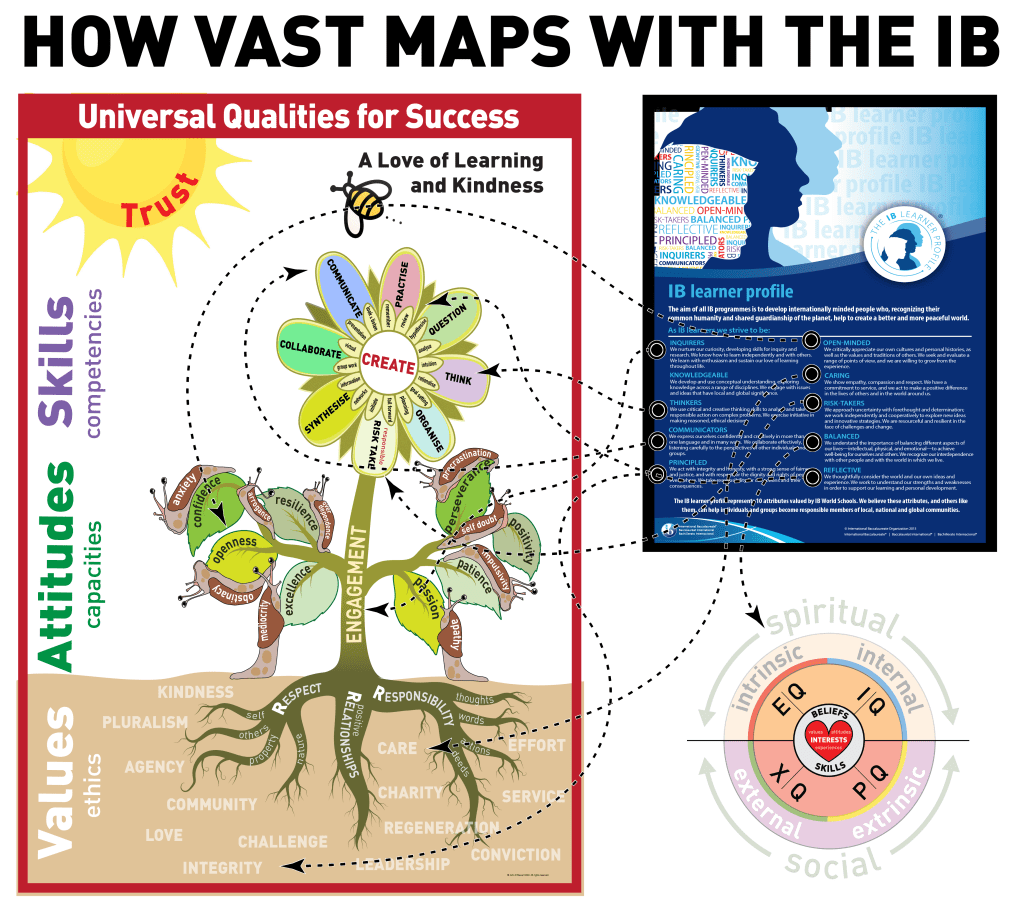
Our camps and expeditions are not just ‘trips away’—they are intentional learning experiences that challenge students physically, emotionally, socially, and intellectually. This approach to challenge-based learning is underpinned by the thinkings of Kurt Hahn:
Risk, in this context, is a part of the curriculum – not something to fear but something to manage with care. We understand that every missed opportunity due to fear or over-cautiousness is a missed opportunity to develop courage, character, and community.
Avoidance is not learning – but it is reaffirming. And there are plenty of sound reasons why we don’t have to do things. But is that care? Is care a commitment not to challenge? One were we care so much we allow young minds to be so free they are not prepared for a life where society does set rules, does have expectations, does have parameters based on manners, work ethic, community-service, giving of one’s best? I know these are triggering questions – and as a young 58 year old, I still don’t have the answers – but I thank my mum for how she raised me: with commitments, and with care.
So how do we develop care? Care is not an abstract value – it is an actionable, deliberate practice that governs how we operate, how we teach, and how we grow. Our approach to risk is grounded not in fear, but in care: care for people, care for possibilities, and care for purpose. We believe that in managing risk, we are not merely avoiding harm, we are nurturing growth. This belief underpins our philosophy: safety does not mean eliminating risk; it means managing it in such a way that learning can flourish. Care is not just doing and giving in to what someone ‘wants’. Care is also guiding what is ‘needed’ – not always in the moment; but more often in the future. For if we truly are focused on ‘developing’ good people for the future – we act with the future as a north star.
I often say: “We must not mistake caution for care. True care embraces the challenge of doing things well, not the comfort of avoiding them altogether.”
Living School’s safety philosophy is aligned with the global perspective offered by the Comprehensive School Safety Framework (CSSF), which calls for an integrated and inclusive approach to school safety. This framework promotes not only protection from physical harm, but also the safeguarding of meaningful learning experiences.
In this context, we broaden the idea of risk to include the risk of lost learning. A hike not taken, a conversation not had, a challenge left unmet: these are also forms of risk. Our programs recognise this and aim to balance protection with potential.
Informed by Kurt Hahn’s experiential learning ideology and the CSSF, our approach acknowledges that some of the most valuable learning occurs at the edge of comfort—where calculated risks are taken, and where growth happens. Risk assessments at Living School go beyond checklists:
This is not risk for risk’s sake, but risk for the sake of deep, wholebeing learning. And the greatest risk we have is if we do not challenge ourselves, or our learners. If we do not experience challenge, we sit away from potential – as we revert to what is easy. And – as a politician once said – Life isn’t meant to be easy. But it can be fun!
The results are life-long. It takes a life-time to raise a child – just ask my mum. And we are all children in our core being – it is a life in itself.