
CULTIVATING A CULTURE OF CARE IN THE DIGITAL WORLD
By John Stewart, Conductor of Living School
(30% AI used)
Co-Learning not just a ‘service-provider’
As we embrace our progressive philosophy: one that champions authentic, relevant, and experience-based learning, we are always focused on nurturing the whole child: intellectually, socially, and emotionally. This includes guiding them through the complexities of the digital landscape, something we parents may never have had to tackle. It is significant to note the IPhone entered Australia in 2008.
A significant change is on the horizon that directly impacts the wellbeing of our children: From December 10, 2025, many major social media platforms will be legally required to prevent Australian children under 16 from creating or keeping an account.
This new legislation – championed by the Australian government and the eSafety Commissioner – is a powerful step towards safeguarding our young people. It aligns perfectly with our Living School values of prioritising Care, Wellness, and responsible Citizenship: we strive to grow good people for a good community.
Understanding the 'Not Yet' Approach: Protection, Not Punishment
The information provided, and confirmed by the eSafety Commissioner’s guidance, makes it clear: this is a delay, not a permanent ban. It is a necessary measure to protect under-16s from the pressures and risks inherent in social media’s design, such as:
-
Harmful Design Features: Algorithms that can expose children to upsetting or manipulative content, and constant notifications that encourage excessive screen time, leading to increased stress, reduced sleep, and poor concentration.
-
Developmental Readiness: Children’s developing brains, which are naturally inclined to seek peer approval and take risks, are highly vulnerable to the pressures of social media. The delay gives them crucial time to build essential digital, social, and emotional skills before facing these challenges.
The best part? This “delay” provides all of us, parents, teachers, and the wider Living School community, with breathing space to prepare our children for a digital open world.
What is excluded?
Under the Rules, the following services will be excluded from the minimum age obligation:
- Messaging, email, voice calling or video calling
- Online games
- Services that primarily function to enable information about products or services
- Professional networking and professional development services
- Education and health services
These exclusions strike a balance between protecting young people from the harms associated with social media use and allowing ongoing access to services that are essential for communication, education and health.
A Community Commitment: Our Shared Adult Responsibility
At Living School, we believe that education is a collaborative effort between home and school. In light of this new law, let’s strengthen our culture of support and sensible digital practice together.
-
Upholding Adult, Parenting Responsibilities: This law empowers us. We no longer have to fight the battle of “all my friends have it.” We can, with confidence, say ‘Not yet’. Our children, whose brains are still developing, cannot always make the most informed decisions about their long-term wellbeing. It is our adult responsibility to shield them from these pervasive commercial pressures until they are developmentally ready.
-
Sensibility on Mobile Phones: The law applies to social media accounts, but we must be sensible about when we offer mobile phones and how we allow them to be used. A phone is a powerful tool. Let’s consider their age, maturity, and emotional readiness before handing over devices that give them access to the wider internet, regardless of account restrictions. I recently completed a blog that outlines HOW parents can control phone use – you do have the responsibility to manage these systems… but I know as a parent how difficult this is to manage (and as a user, too!).
-
Wisely and Safely: We need to model and teach responsible technology use. Use this delay to engage in hands-on, authentic experiences – as we do in our curriculum – that teach them how technology works, how to critically assess information, and how to behave respectfully online. We are very aware as educators the AI revolution is here – and we are managing this new technology carefully – as this will have a MAJOR impact on all of our lives. Did you know that Australian teachers use AI more than any other country? An interesting OECD survey results are here.
Next Steps: Resources and Dialogue
Action for Parents:
-
Talk, don’t just tell. Lead with empathy and acknowledge their feelings of frustration or loss.
-
Focus on the positive alternatives: encourage real-life connection, physical activity, and hobbies, which reflect our Living School emphasis on Living Well and connection to Nature.
-
Connect with other Living School families. Discussing expectations and setting clear agreements with the parents of your child’s friends can help alleviate peer pressure.
The goal is to use this invaluable time to foster resilience, critical thinking, and a deeper appreciation for authentic, real-world connection.
Together, we can ensure our children are safe, supported, and ready to navigate the digital world wisely when they turn 16. That is an important rite of passage – and it is time for us all to support this as a community.
The key to a smooth transition is open, empathetic, and ongoing communication with your child. The eSafety Commissioner has developed excellent resources to guide these conversations and prepare your family for the change:
|
Resource |
Purpose |
|
Provides practical prompts to talk calmly and openly with your child about their current social media use and the new law. |
|
|
Offers advice and information on the upcoming legislation and measures. |
|
|
Focuses on three key strategies and information for specific age ranges. |
|
|
Lots of resources, snippets, videos and information – you really do need to read and view! |
You can access the full suite of resources and official information about the ban on the eSafety Commission’s dedicated campaign page: CLICK HERE. I know the concept of prohibition has never worked before – but perhaps the best way to view this legislation is as a vehicle for us all to drive our children’s access. I know as a father (and a son) the most difficult phrase is ‘but everyone else is…” I also know we will need to be very prepared for the out-fall of this legislation – the easing off of social media accounts and ‘follower friends’, which make our screenager’s sense of identity – and connection. It will be tough!
WILL THIS WORK?
It is easy to be sceptical and have a pessimistic view on these government initiatives – especially as parents have direct responsibility for raising their children – but that responsibility is also a civic responsibility – as we are growing our society for the future. However, if we note the under 18 ban on accessing porn sites in the United Kingdom – the website PornHub reported an over 50% drop in traffic. I believe we need to be aware and regulate – awareness and regulation are the foundations of emotional intelligence. And the emotional and social character traits are so difficult to manage – because they are emotional.
THE UNDERLYING LEARNING - GROWTH THROUGH EXPERIENCE
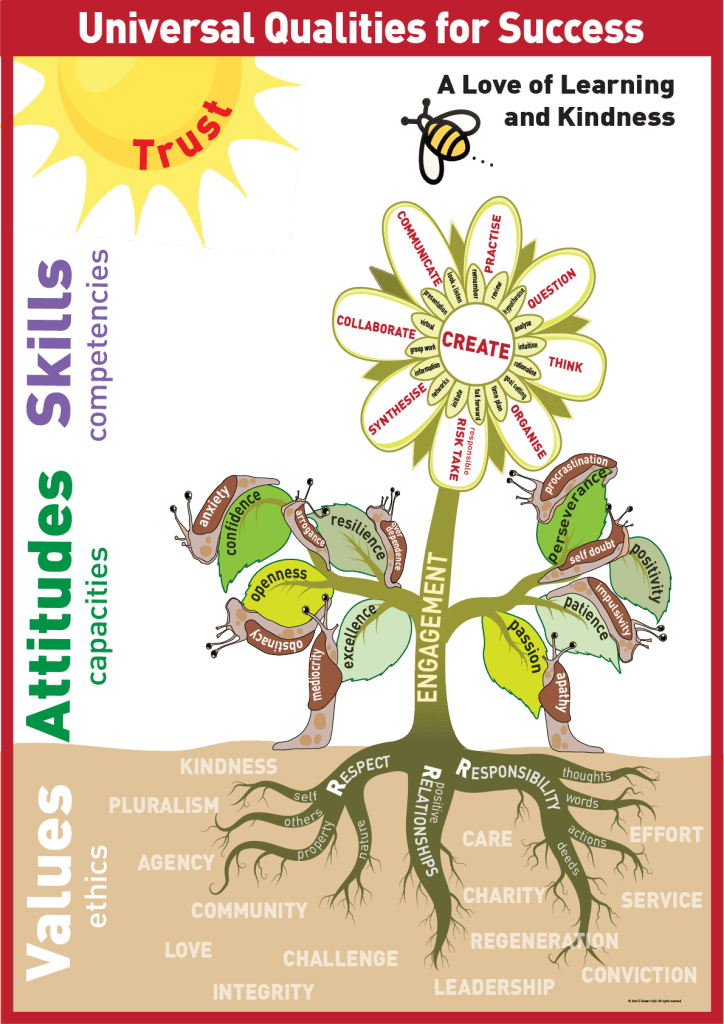
Unique to Living School is our VAST learning lens – were we focus on the qualities for successful living. Dependency means we are not in control – and to provide guidance on how to manage our ownership, providing agency to be free by accepting responsibility and actively reinforcing coping strategies is such a great opportunity.
Living School is a progressive school with an eye on our future and a memory of our sensible past. We are in initial talks with Light Phone . We can see that there is a need to have technology as a tool – but not as our master.
Light Phone allows for this – and provides communication without the damaging effects of algorithms and addictive behaviours. This phone we are looking to use for our bus fleet, for our Expeditions – so we can use the benefits of technology to guide learning. Imagine having a phone with music, camera, text, and podcasts – but no social feeds, no doom-scrolling. Imagine a bus trip where the students can listen to podcasts and read information ABOUT the history of the location, the learning of concepts, that we want to guide as teachers.
And we can offer each student the opportunity to listen to a curated list of music – and news – and theories. THIS is were we are going – and parents will benefit as much as our students.

The value of the Light Phone is not necessarily in any specific feature, but rather the experience we call going light. In our hyper-connected lives, going light is a profound shift.