
Start here. This page is a short overview. The same ideas as our printable handouts appear as full pages below, or jump to the educator reference—or ask us in person; we love these conversations.
Read through the ideas first—illustrations appear right where they support each part of the story.
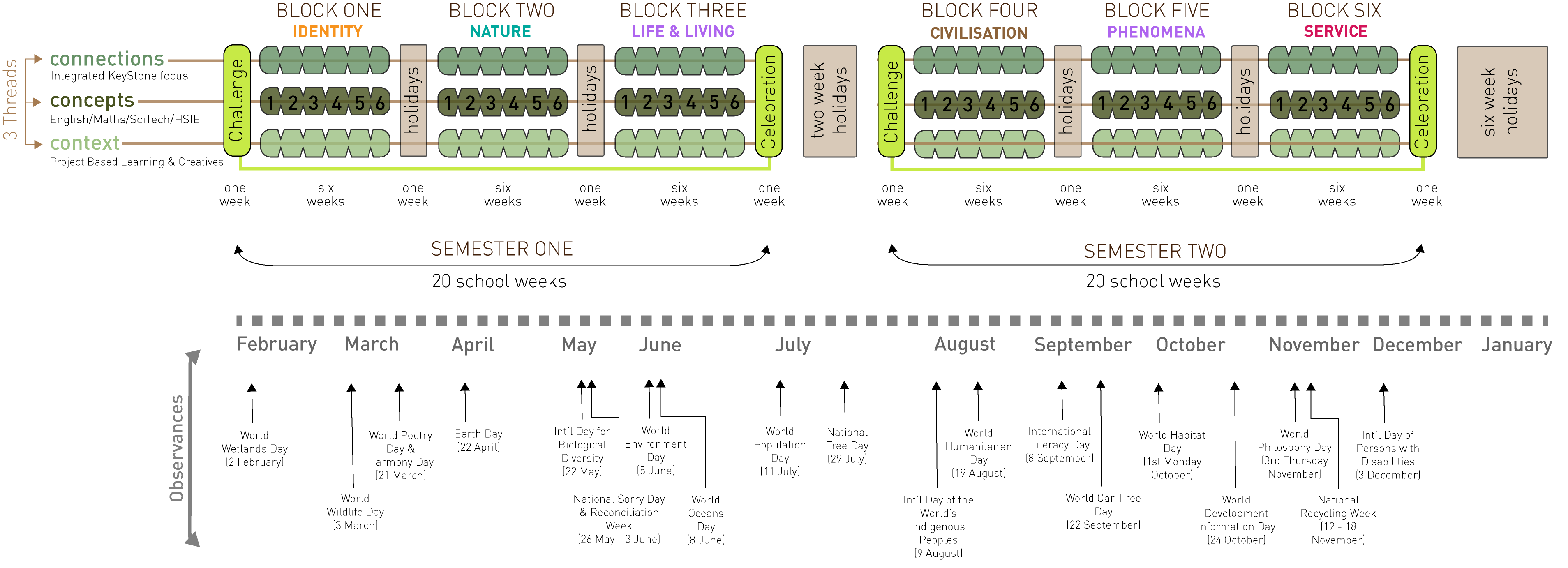
Calendar outline
Schooling for a human future
We prepare young people for a world where machines handle much of the “what.” Living School doubles down on what stays deeply human: creativity, empathy, insight, and wisdom. VAST is our shared language for that work: Values, Attitudes, Skills, and Trust—the capabilities that sit alongside academic learning.
What VAST is
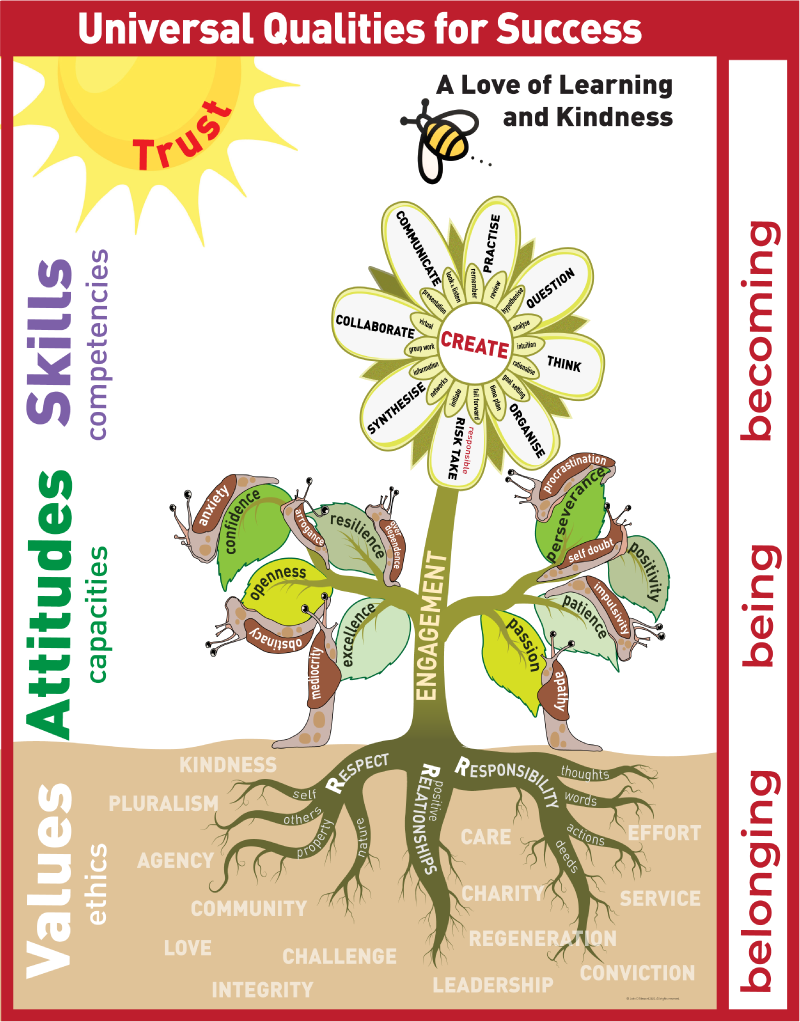
VAST is shown as a flower on purpose: growth is developmental and personal, not a race to a single finish line. We care about building capacity—the willingness and ability to grow—over time. As a community, we are the soil and the village around each child.
We still plan with clarity and purpose. The difference is emphasis: education should expand our capacities so young people are not reduced to tools or scores.
How we picture it
Values — the “new 3Rs”
Our values layer rests on Respect, Responsibility, and Relationships—ethical habits that hold everything else up.
Attitudes — and what gets in the way
We name positive attitudes for success—like confidence, openness, resilience, and excellence, alongside passion, patience, positivity, and perseverance. We also name negative attitudes that block growth, so we can talk about them honestly at home and school.
Skills — habits that last
We build practical habits of success: taking responsible risks, organising work, asking better questions, thinking critically and creatively, practising with purpose, communicating and listening well, collaborating, pulling ideas together, and creating at the heart of learning.
KeyStone questions & the shape of the year
Our year is organised in focused six-week blocks—long enough to go deep, short enough to stay sharp. Each block is carried by a KeyStone question: an inquiry that threads through teaching and learning for that season.
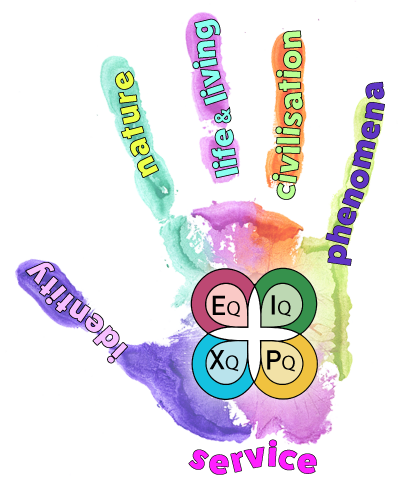
We keep returning to the big themes with new questions as children mature, so understanding deepens year after year—never a single pass at a topic. Across the journey of schooling, learners build toward six big understandings: ideas worth holding for life, not just for the next test.
KeyStone themes
Trust
Trust is the sunlight in the model: relationships and honesty that make risk, reflection, and growth possible.
International Baccalaureate (IB)
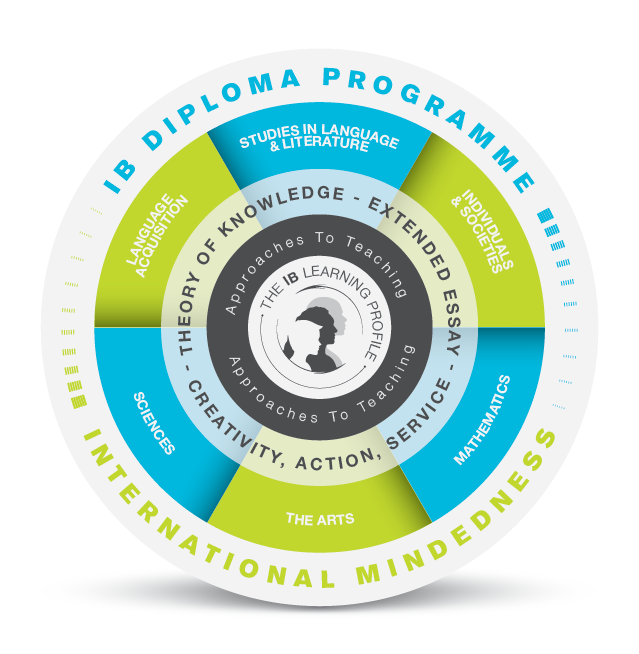
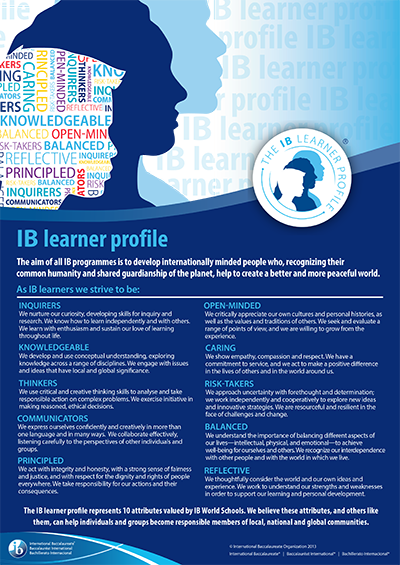
We are the first IB World School on the North Coast of NSW. That matters because the IB connects us to a global outlook and network—shared standards for inquiry and rigour—while we remain unmistakably Living School in culture and practice.
We think of these diagrams as learning lenses: they don’t lock you into a single path; they help you see more clearly and refine your perception of how children learn and grow.
IB programme & learner profile
Holo — the holistic learning lens
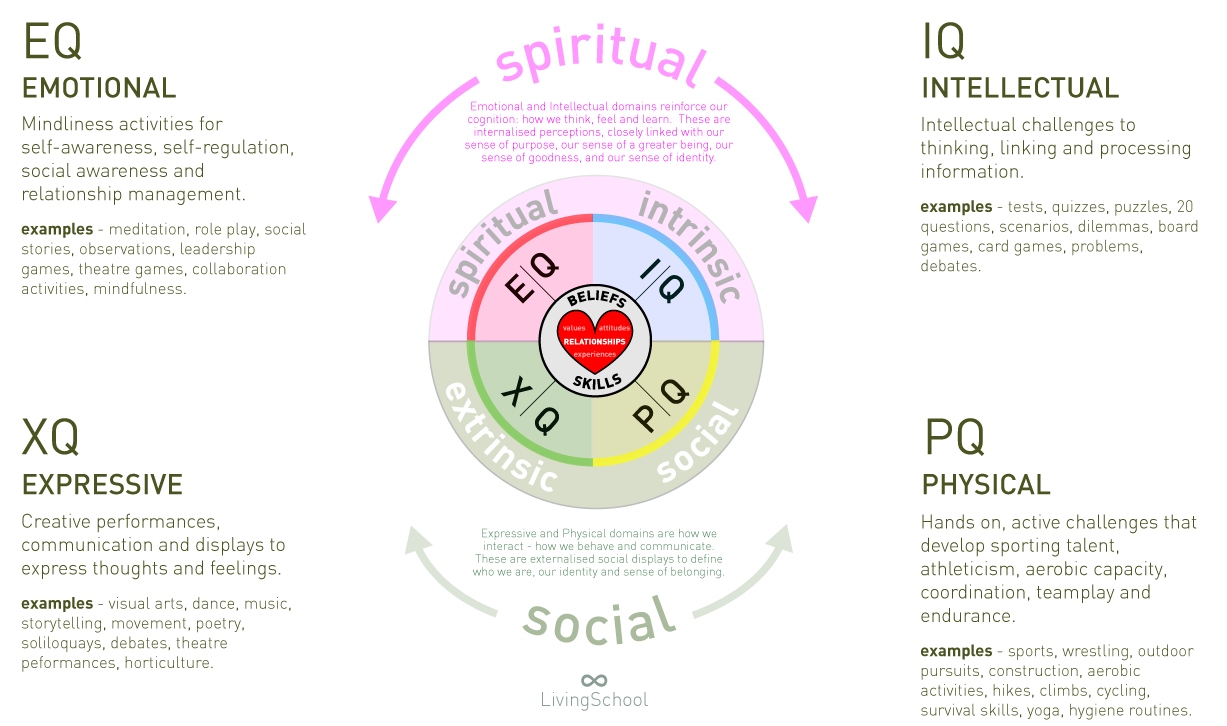
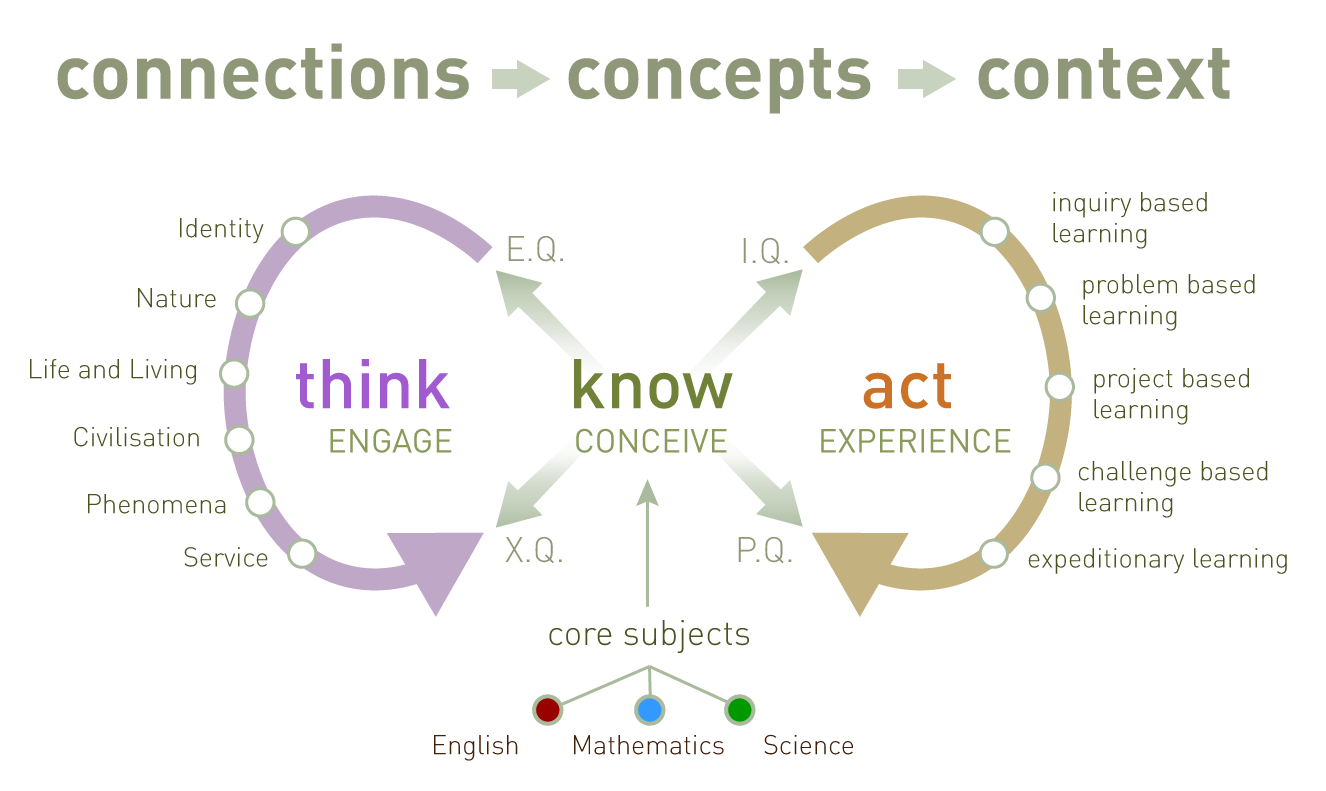
Holo is our holistic learning lens: a way to see the whole child—never a cage for teaching. We plan experiences around EQ (emotional), IQ (cognitive), PQ (physical), and XQ (expressive). The day weaves big integrated themes, focused concept work, and real-world context—so learning stays human, and every child is known in the design.
In middle school, that same spirit takes a distinct shape: a project-based, task-oriented rhythm with its own lens—Catalyst—outlined in the next section.
Designing learning, day by day
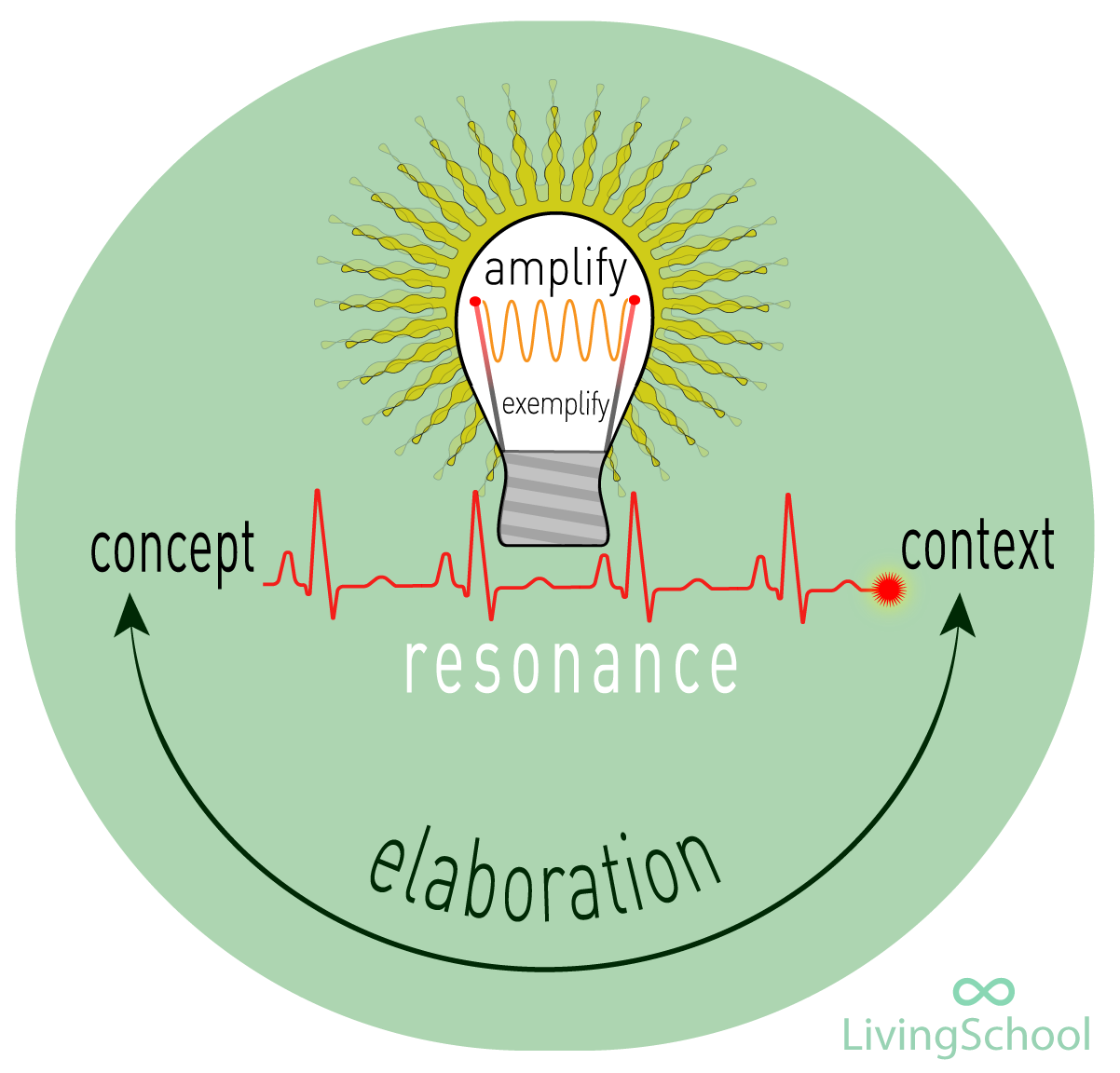
Middle School Catalyst Curriculum
Our middle schoolers learn chiefly through a project-based learning model: integrated, task-oriented work that puts students inside the process of learning—posing problems, trying ideas, revising—rather than rewarding knowledge recall alone. Because learners have agency (meaningful choice, voice, and ownership), effort rises: the work feels theirs, not a script to memorise.
UK cognitive scientist Guy Claxton (Building Learning Power) puts it plainly: good schooling prepares young people for life after school—“not just for a life of tests, but for the tests of life.” Project-based work is one way we practise that promise.
It is the job of education not to assume that learning will take place but to do everything possible deliberately to help it do so.
We do not learn from experience… we learn from reflecting on experience.
Educator Thought Leaders — philosophers and researchers we adapt into our curriculum for rigour and academic purpose.
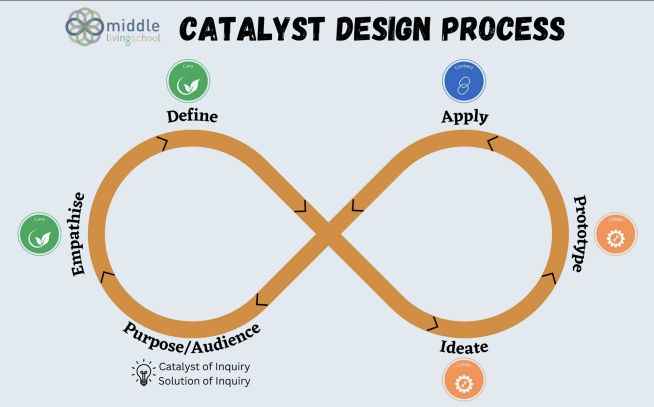
Catalyst design process
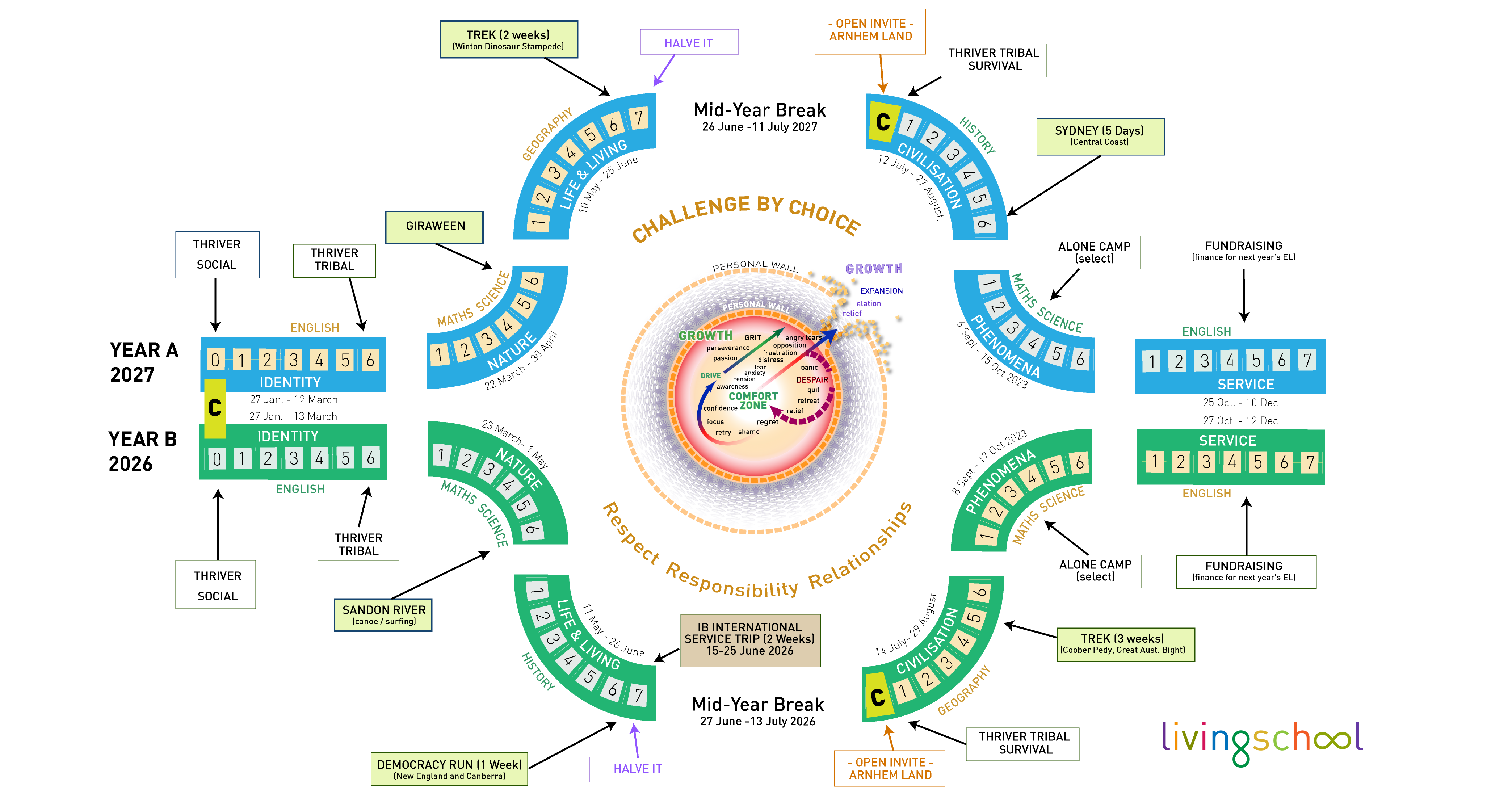
Expeditionary learning outline
Expeditionary learning takes young people into real places, real questions, and real collaboration—treks, projects, and milestones that sit alongside classroom time. The outline below shows how those experiences sit across the cycle, anchoring learning in the world beyond school.
Experiences across the cycle
How we talk about growth
Growth in these human qualities is not a percentage on a report card. We use conversation, observation, and structured reflection. Tools like a simple profile over time can show patterns—they are meant to start conversations between student, family, and teachers, not to rank children.
Rhythm of the year
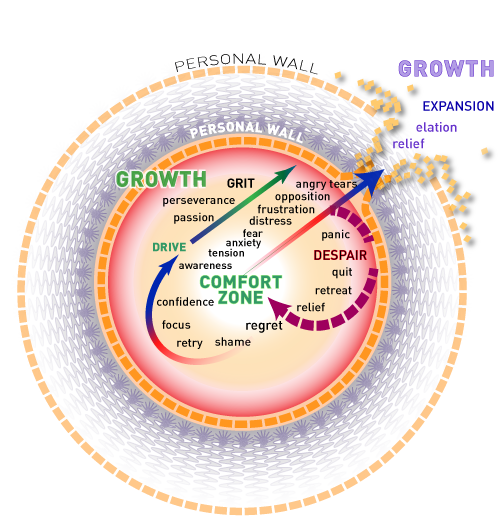
On top of that KeyStone pattern, the calendar makes room for Challenge weeks that stretch comfort zones across emotional, intellectual, physical, and expressive learning, reflection, and a timetable that can shift with the seasons where that helps families and learners. There is deliberate time for play and connection. For older students, programs like Artisan bring community specialists into the picture so learning stays linked to real skills and interests.
Explore each topic
These are the full articles on our site—the same content families often see as printable handouts. Open any topic to read at your own pace or share with family.
You don’t need every diagram
What matters is the promise: we teach toward character and capacity as deliberately as we teach toward understanding—and we keep families in the conversation.